Garden Layout Ideas
Discover thoughtful approaches to arranging your outdoor space for maximum beauty and functionality.
A well-planned garden layout transforms your veranda into a cohesive living space. At quythraxcrixal, we share design principles that help you create harmony between architecture, plants, and decorative elements.
Zone Your Space
Divide your veranda into distinct areas: a dining zone, a relaxation corner, and a green plant area. This creates visual interest and practical functionality.
Consider Traffic Flow
Ensure clear pathways between zones. Leave at least 80cm for comfortable movement and consider how guests will naturally move through the space.
Layer Your Greenery
Place taller plants at the back and shorter ones at the front. Use hanging baskets and vertical planters to add dimension without consuming floor space.
Balance Soft and Hard
Mix hard elements like stone and wood with soft textiles and plants. This contrast creates a welcoming atmosphere that feels both structured and natural.
Frame Your Views
Position seating to take advantage of the best views. Use plants and structures to frame focal points and hide less attractive areas.
Plan for Seasons
Choose plants that bloom at different times and include evergreens for year-round interest. Consider how shade patterns change throughout the day.
Getting Started with Your Layout
Begin by measuring your veranda space carefully. Sketch a simple floor plan and mark existing features like doors, windows, and any permanent structures.
Consider the sun exposure at different times of day. This affects both plant placement and where you will want to sit at various hours.
Think about how you want to use the space. Do you entertain guests regularly? Need a quiet reading nook? Planning for your lifestyle ensures the layout serves your needs.
Get Personalised Advice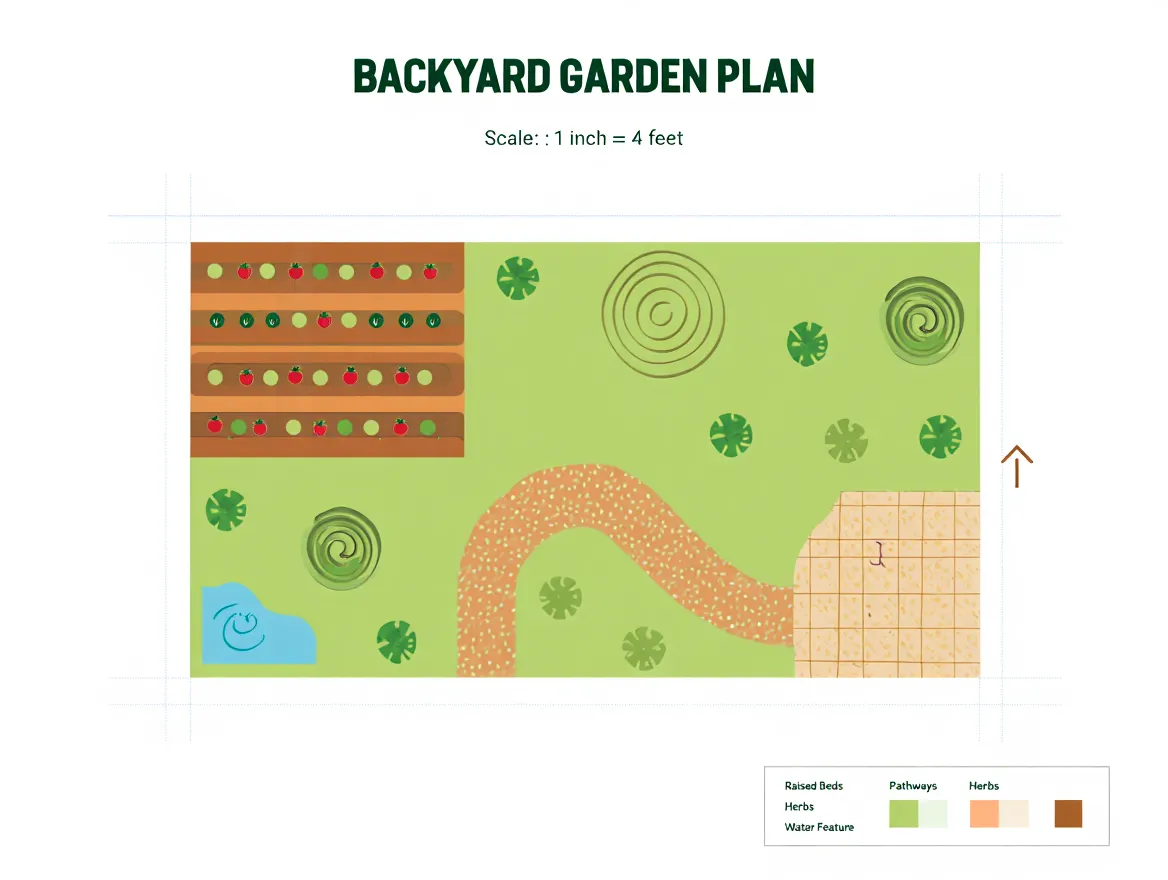
Essential Layout Elements
Seating Arrangements
Choose furniture that fits your space without overcrowding. Allow room for movement and conversation.
Plant Placement
Position plants according to their light needs and how they complement your overall design scheme.
Lighting Design
Plan for both ambient and task lighting. String lights, lanterns, and solar stakes extend usability into evening.
Popular Layout Styles
Symmetrical Garden Layout
Creates a formal, balanced look with matching elements on either side of a central axis. Ideal for traditional homes and those who appreciate order.
Asymmetrical Garden Layout
Offers a more relaxed, natural feel with visual balance achieved through varied elements. Suits modern homes and creative personalities.
Circular Flow Layout
Encourages movement around a central feature like a fire pit or water element. Creates intimate gathering spaces with good conversation flow.
Linear Layout
Works well for narrow verandas with zones arranged in sequence. Maximises space efficiency while maintaining distinct functional areas.
Common Mistakes to Avoid
Overcrowding
Resist the urge to fill every corner. Empty space creates breathing room and makes your veranda feel larger and more relaxing.
Ignoring Scale
Furniture should be proportional to your space. Oversized pieces overwhelm small verandas while tiny items get lost in large areas.
Poor Lighting Planning
Forgetting about evening use limits enjoyment. Plan electrical points or choose solar options early in your design process.
Neglecting Weather Protection
Consider shade for hot days and shelter from rain. Retractable awnings or pergolas extend your veranda season significantly.
Need Help Planning Your Layout?
Our team at Quythraxcrixal provides personalised guidance for your garden layout project.
Contact Us